Travel guide
Best Time to Visit Bangladesh: Weather, Festivals, Seasons & Complete Travel Guide for Visitors
Updated on September 2026 · Reading duration of 6 minutes.
Bangladesh rarely appears on the standard South Asia itinerary, and that's exactly its appeal. This is a country of green deltas, tiger-patrolled mangrove forests, the world's longest natural sea beach, and a culture that celebrates almost as enthusiastically as it works. But because Bangladesh sits inside one of the most dramatic monsoon systems on Earth, timing your trip well matters more here than in most destinations. Arrive at the wrong moment, and you'll spend your holiday dodging waist-deep floodwater and cancelled ferries. Arrive at the right one, and you'll get cool mornings, clear skies, and a packed calendar of festivals that rarely make it into Western guidebooks. This guide breaks down Bangladesh's seasons, region-by-region weather patterns, the festivals worth planning a trip around, and the practical details—visas, safety, packing—that Western travelers usually ask about first. The short version: late November through February is the sweet spot for most visitors. The long version, with all the exceptions and regional quirks, follows below.
Bangladesh rarely appears on the standard South Asia itinerary, and that's exactly its appeal. This is a country of green deltas, tiger-patrolled mangrove forests, the world's longest natural sea beach, and a culture that celebrates almost as enthusiastically as it works. But because Bangladesh sits inside one of the most dramatic monsoon systems on Earth, timing your trip well matters more here than in most destinations. Arrive at the wrong moment, and you'll spend your holiday dodging waist-deep floodwater and cancelled ferries. Arrive at the right one, and you'll get cool mornings, clear skies, and a packed calendar of festivals that rarely make it into Western guidebooks.
This guide breaks down Bangladesh's seasons, region-by-region weather patterns, the festivals worth planning a trip around, and the practical details—visas, safety, and packing—that Western travellers usually ask about first. The short version: late November through February is the sweet spot for most visitors. The long version, with all the exceptions and regional quirks, follows below.
Understanding Bangladesh's Weather: A Quick Primer
Bangladeshis traditionally recognize six seasons in their calendar—Grishma (summer), Barsha (monsoon), Sharat (early autumn), Hemanto (late autumn), Shith (winter), and Boshonto (spring)—each tied to subtle shifts in light, humidity, and the rhythm of rural life. For a visiting Westerner, though, the year boils down to three practical blocks:
• Dry, cool winter (roughly November to February)
• Hot, increasingly humid pre-monsoon summer (March to May)
• Wet monsoon season (June to September/October)
Bangladesh sits at the base of the Ganges-Brahmaputra-Meghna delta, one of the largest river systems on the planet, which means the monsoon here isn't a light afternoon drizzle—it's the defining feature of the national landscape and economy. Rice cultivation, ferry schedules, road conditions, and even which islands are accessible all shift with the rains. Understanding this rhythm is the single most useful thing a first-time visitor can do before booking flights.
Winter (November–February): The Best Time to Visit
For the vast majority of Western travellers, winter is the answer to "When should I go?" This is the stretch when Bangladesh feels most like the country in the photographs: blue skies, negligible rainfall, and temperatures that make walking, boating, and wildlife-spotting genuinely pleasant rather than an endurance test.
Daytime highs in Dhaka typically sit in the mid-to-high 20s Celsius (around 78–80°F), with cool mornings and evenings dipping into the mid-teens Celsius (around 58°F)—a level of comfort that can feel almost startling after a summer visit to the region. December is usually the driest month of the entire year, with rain falling on only a handful of days nationwide. Humidity, which dominates the rest of the year, finally drops to manageable levels.
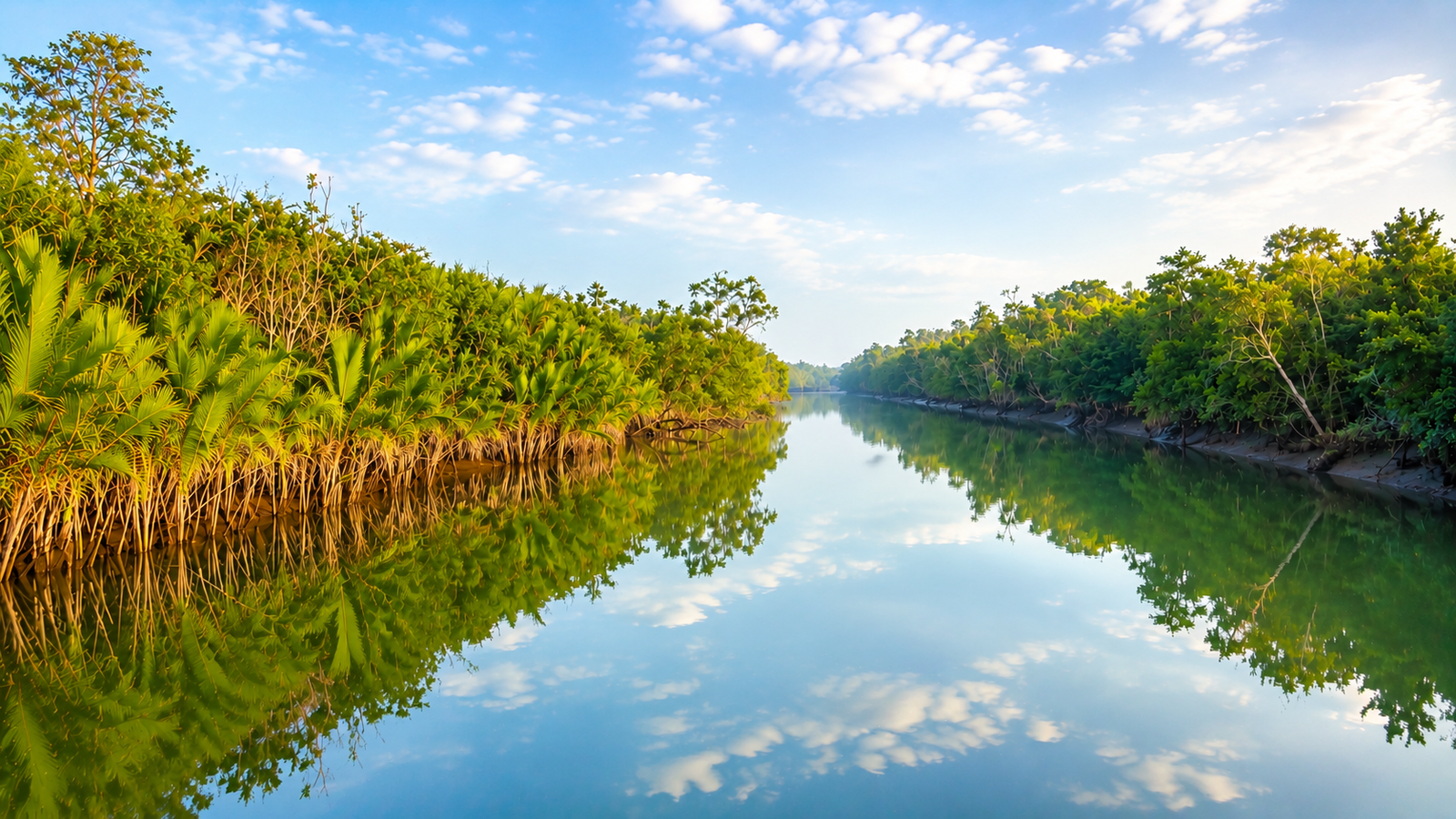
This is also when Bangladesh's two headline nature experiences are at their best. The Sundarbans—the largest mangrove forest on Earth and home to the Bengal tiger—is far easier and safer to navigate by boat in the dry season, when water levels are more predictable, and wildlife tends to gather more visibly near remaining water sources. Cox's Bazar, the world's longest unbroken natural sea beach, has calm seas and comfortable temperatures for swimming and beach walks, a sharp contrast to the rough surf and downpours of summer.
The trade-off is that everyone else knows this too. January is typically the busiest month for domestic and international tourism alike, so book Sundarbans boat tours, Cox's Bazar hotels, and Sylhet tea-garden resorts well ahead of arrival, especially around the New Year and any overlapping festival dates. Accommodation and guided-tour prices also tend to peak during this window.
Winter is also festival-dense (more on that below), so travellers who combine the cool weather with Bangladesh's cultural calendar—kite festivals, harvest fairs, national holidays—tend to leave with the fullest picture of the country.
Spring and Pre-Monsoon Summer (March–May)
March marks the turning point. Temperatures climb steadily through the month, and by April and May, Dhaka and much of the country are firmly in the mid-to-high 30s Celsius (mid-90s°F), with humidity building well before the rains actually arrive. This is Bangladesh's most physically demanding season for outdoor travel—locals largely restrict serious exertion to early morning and evening.
It isn't without its charms. Pohela Boishakh, the Bengali New Year in mid-April, falls squarely in this window and is one of the most vibrant days on the entire calendar (detailed below), and mango and lychee season begins in earnest, filling markets with fruit that Bangladeshis consider a genuine point of national pride. But this period also brings the country's nor'wester thunderstorms—locally called Kalbaishakhi—sudden, violent squalls that can knock out power and disrupt travel with little warning, particularly in the late afternoon.
Late April through early June is also the first of two annual windows when cyclones are more likely to form in the Bay of Bengal, so coastal travellers heading toward Cox's Bazar, Kuakata, or St. Martin's Island in this period should keep half an eye on forecasts, even though direct hits on any specific coastal town in a given year remain relatively rare.
For most Western visitors without a specific reason to be in the country in April or May, this is the season to avoid.
Monsoon (June–September): Green, Dramatic, and Not for Everyone
The real monsoon typically arrives from the southeast in late May or early June and lasts through September, tapering into October. Rainfall during this stretch is substantial—Dhaka alone receives close to two meters of rain annually, with the bulk of it concentrated in these months, and the northeastern hills around Sylhet see even heavier totals thanks to their proximity to the wettest region on Earth, the Meghalaya hills just across the border in India.
Daytime temperatures during monsoon actually drop slightly compared to pre-monsoon summer—typically the low 30s Celsius—but humidity remains high around the clock, and persistent cloud cover, frequent downpours, and waterlogged roads in low-lying areas (including parts of Dhaka itself) make sightseeing considerably less convenient. River and ferry travel, a major part of getting around rural Bangladesh, becomes more weather-dependent and occasionally suspended altogether during severe weather.
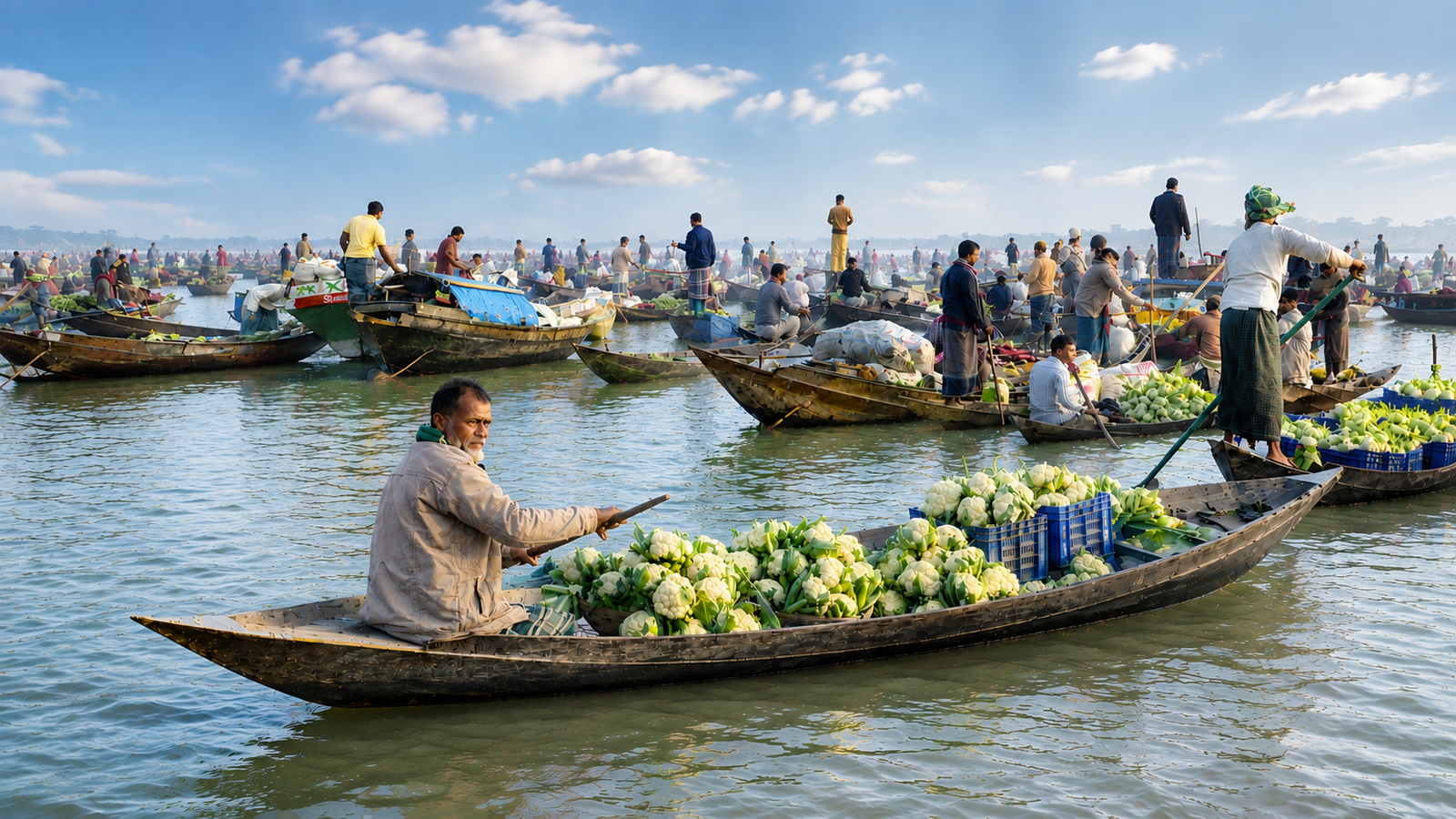
That said, monsoon has a small but devoted following among travelers who specifically want to see Bangladesh at its greenest. The country's rice paddies turn an almost impossible shade of emerald, waterfalls in the Sylhet and Chittagong Hill Tracts regions run at full force, and swamp forests like Ratargul—one of the few freshwater swamp forests in the world—are only fully navigable by boat during these wetter months, when the submerged forest floor allows small canoes to glide between the trees. Photographers and travellers with a high tolerance for rain sometimes plan trips specifically around this window for that reason.
For a first visit, though, it is generally best to avoid monsoons unless you have a specific interest only this season satisfies.
Post-Monsoon Autumn (October–November): The Underrated Window
This is the season locals talk about, and Western guidebooks tend to skip. As the monsoon retreats through October, Bangladesh enters a short, golden transition: rains taper off, humidity drops, the countryside stays lush and green from months of rain, and rivers are full but not dangerous. Temperatures are comfortable, hovering in the high 20s to low 30s Celsius during the day.
Many experienced travellers also consider October one of the best-value months to visit—infrastructure and nature are at their most photogenic, but the winter crowds haven't arrived yet, so hotel rates and tour availability are noticeably better than in the December–February peak. The one significant caveat is Durga Puja, the major Hindu festival that typically falls in October and draws crowds and elevated prices to the specific towns and neighborhoods where celebrations are concentrated—worth checking against the year's exact dates when booking.
November largely continues this pattern, gradually cooling into the winter season proper, and is often cited by seasoned Bangladesh travellers as a personal favourite month precisely because it offers winter's comfort without winter's crowds.
Regional Weather Variations Worth Knowing
Bangladesh is compact, but its geography is varied enough that "the weather in Bangladesh" isn't a single answer.
Dhaka and the central plains follow the general pattern described above fairly closely: hot pre-monsoon summers, a wet June–September, and a comfortable, dry winter.
Cox's Bazar and the southeastern coast include St. Martin's Island and stay warm year-round thanks to sea influence, with daytime temperatures rarely dropping below the mid-20s Celsius even in January. The dry season (roughly November to March) is unambiguously the best window for beach time, with calm seas suited to swimming; the wet season brings rougher surf and, during severe weather, some beach access restrictions. Ferries to St. Martin's Island typically operate on a seasonal schedule and are often suspended entirely during the roughest months of monsoon.
The Sundarbans in the southwest delta are best visited in the cooler, drier months, when water levels make boat navigation more predictable and wildlife is easier to spot near the forest's limited freshwater sources. Summer heat and monsoon flooding both make this a harder trip logistically.
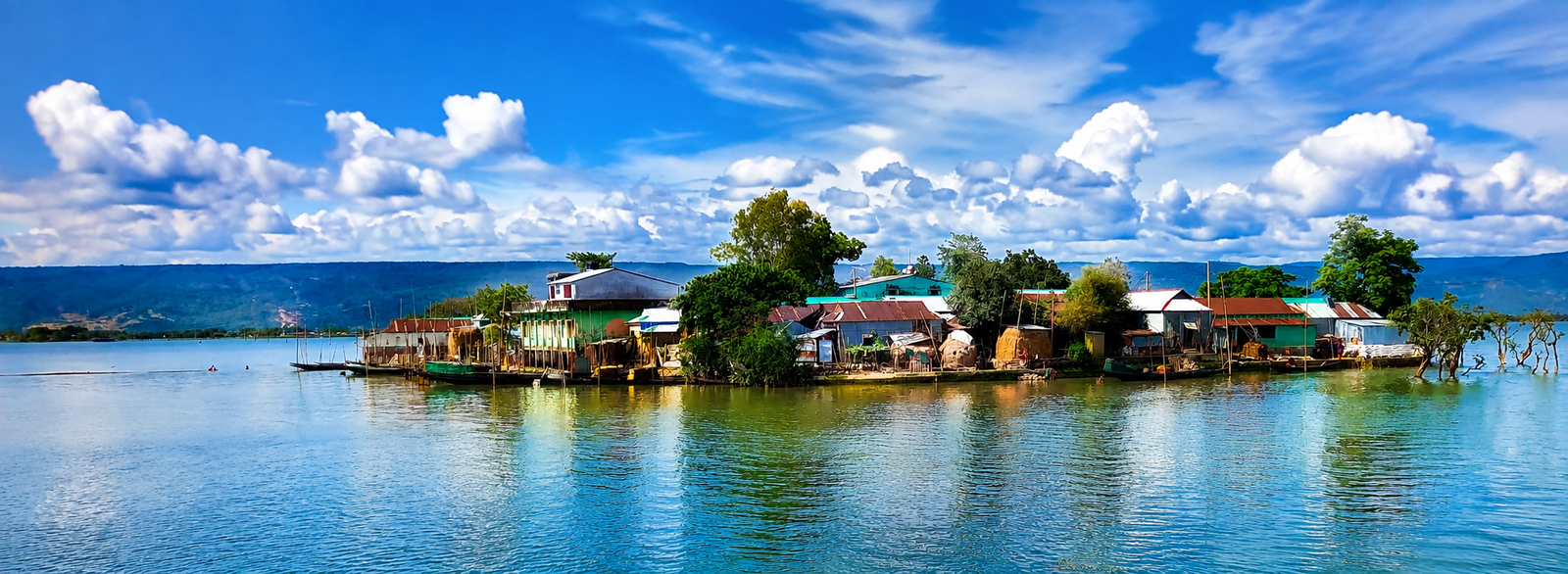
Sylhet and the northeastern tea hills are noticeably cooler and wetter than the rest of the country, sitting in the shadow of the Meghalaya hills across the border—one of the rainiest places on the planet. Winter here is crisp, sometimes genuinely chilly at night, and popular for tea-estate visits; the monsoon brings the region's waterfalls and swamp forests to their most dramatic, at the cost of near-daily rain.
The Chittagong Hill Tracts, Bangladesh's hilly southeast, offer a cooler, greener alternative to the plains and are generally most comfortable—and most accessible for trekking—in winter and early spring, before the heat and rains of late spring and summer set in.
Bangladesh's Festival Calendar: What's Worth Planning Around
Bangladesh's cultural calendar blends Islamic, Hindu, Buddhist, Christian, and secular national observances, and several of these are genuinely worth building a trip around rather than simply working around.
Pohela Boishakh (Bengali New Year), April 14, is arguably the most purely joyful date on the calendar. Dhaka's streets fill with the Mangal Shobhajatra procession—a UNESCO-recognized parade of enormous papier-mâché masks and folk art—alongside music, traditional food stalls, and an atmosphere closer to a citywide street festival than a formal holiday. It falls in the uncomfortable heat of pre-monsoon summer, but many travellers consider it worth the trade-off.
Eid ul-Fitr and Eid al-Adha, the two major Islamic festivals marking the end of Ramadan and the Hajj season, respectively, are the country's biggest holidays by sheer scale. Because they follow the lunar Islamic calendar, their dates shift roughly 11 days earlier each year—Eid ul-Fitr falls around mid-to-late March in 2026 and early-to-mid March in 2027, while Eid ul-Adha falls in late May 2026 and mid-May 2027, so it's worth checking the specific year's dates when planning. These are family-centered holidays: cities empty out as people travel to ancestral villages, which means Dhaka becomes unusually quiet and easy to navigate, but many shops, restaurants, and some tourist services also close for several days. Transport out of major cities books up fast in the days beforehand.
Durga Puja, the biggest Hindu festival in Bangladesh, typically runs for about five days in September or October (mid-to-late October in both 2026 and 2027) and is celebrated with elaborate temporary shrines, or pandals, especially in Dhaka's Hindu neighborhoods and towns with larger Hindu populations, such as those in the southwest. Visiting during Durga Puja offers a striking look at Bangladesh's religious diversity. However, accommodation and transport in the most active celebration areas can be harder to secure.
Ekushey February (International Mother Language Day), February 21, commemorates the 1952 Language Movement and is treated with genuine national reverence—it's the origin of the UN's International Mother Language Day, and Bangladesh's Shaheed Minar monuments become the focus of solemn, moving nationwide ceremonies. It's a fascinating date to be in the country, particularly in Dhaka, though it's a day of reflection rather than celebration.
Independence Day (March 26) and Victory Day (December 16) are both marked with parades, flag ceremonies, and patriotic displays nationwide, and both fall inside otherwise excellent travel windows.
Shakrain, Old Dhaka's kite festival in mid-January, is a lesser-known but genuinely spectacular local tradition—rooftops across the old city fill with kite-flyers by day and fireworks by night—and it lands right in the middle of the winter travel season.
Best Time to Visit by Interest
• Wildlife and the Sundarbans: November through February, when water levels and cooler temperatures make boat safaris most productive.
• Beach time at Cox's Bazar or St. Martin's Island: November through March, for calm seas and reliable ferry schedules.
• Tea gardens and hill trekking in Sylhet or Chittagong Hill Tracts: Winter for comfort and clear views; monsoon if waterfalls and dramatic greenery matter more to you than staying dry.
• Cultural sites, historic mosques, and Old Dhaka: Essentially any dry-season month, though winter's comfortable walking temperatures make it easiest.
• Festival-focused travel: Winter offers the highest festival density (Shakrain, Ekushey February, plus whichever Islamic or Hindu festivals fall in a given year), while Pohela Boishakh in April is worth the heat for many travellers.
Practical Notes for Western Visitors
Visa on arrival: Citizens of the US, UK, EU countries, Canada, Australia, New Zealand, and several other nations are generally eligible for a 30-day visa on arrival at Bangladesh's main airports, provided you can show a return or onward ticket, proof of accommodation, and the visa fee in cash (typically around $50). Rules and eligible nationality lists can shift, and Bangladesh has occasionally suspended or adjusted VOA access for specific groups around politically sensitive periods, so confirm current requirements with a Bangladeshi mission or check your home country's travel advisory shortly before departure. Arranging a visa in advance through an embassy remains the safer option if you want certainty.
Safety context: Bangladesh has experienced periods of political demonstrations and occasional unrest in recent years, and Western governments have generally maintained an "exercise increased caution" level of advisory rather than advising against travel outright. As with any destination, checking your home country's current travel advisory in the weeks before departure—rather than relying on older information—is worth the five minutes it takes.
Packing by season: Light, breathable, modest clothing works year-round given local cultural norms; add a light jacket or sweater for winter evenings, particularly in Sylhet and the hill regions where nights can turn genuinely cool. Monsoon travellers need proper rain gear and quick-drying fabrics rather than a simple umbrella, since the rain here is rarely light.
Health considerations: Standard travel health precautions apply, including up-to-date routine vaccinations and a conversation with a travel clinic about recommended precautions for this region. Mosquito-borne illness risk, including dengue, rises during and after the monsoon months when standing water is widespread, so insect precautions matter most from roughly June through October.
Crowds and pricing: Winter (especially January) commands the highest prices and requires the most booking, particularly for Sundarbans tours and Cox's Bazar hotels. October and November offer much of winter's comfort with noticeably lighter crowds and better rates—arguably the best-value window on the calendar for travelers with flexible dates.
Month-by-Month Quick Reference
| Months | Conditions | Good for |
|---|---|---|
| Nov–Feb | Cool, dry, sunny—peak season | Sundarbans, Cox's Bazar, cultural sites, festivals |
| Mar–May | Hot, humid, occasional storms | Pohela Boishakh (Apr), mango season |
| Jun–Sep | Heavy monsoon rains, high humidity | Lush landscapes, waterfalls, swamp forests |
| Oct–Nov | Cooling, drying, fewer crowds | Best overall value; Durga Puja (Oct) |
Frequently Asked Questions for First-Time Visitors
Do I need to speak Bengali? Not in the major tourist hubs. English is widely spoken among hotel staff, tour guides, and younger people in Dhaka, Cox's Bazar, and Sylhet, though it thins out quickly in rural villages. Learning a handful of Bengali greetings goes a long way and is consistently appreciated.
What's the currency, and should I bring cash? The Bangladeshi taka (BDT) is the only accepted currency outside a handful of international hotels. ATMs are reliable in Dhaka and other major cities but far less consistent in rural areas and on islands like St. Martin's, so carrying enough cash for a few days at a time when heading off the main circuit is a sensible habit. US dollars in good condition are useful for the Visa on Arrival fee and can sometimes be exchanged informally, but day-to-day spending is taka-only.
Is alcohol available? Bangladesh is a majority-Muslim country with restrictive alcohol laws. It's generally available only in a limited number of upscale international hotels and licensed bars in Dhaka and not at all in most of the country. Travellers who want a drink with dinner should plan accordingly rather than expecting it to be widely available.
What should I wear? A modest dress is the norm and is appreciated regardless of gender—shoulders and knees covered is a safe baseline in most settings, and it's worth packing slightly more conservative clothing than you might for other Southeast or South Asian destinations. Beachwear is fine at Cox's Bazar and St. Martin's Island itself but not in surrounding town areas.
How's the internet and connectivity? Mobile data is inexpensive, and coverage is strong across cities and most tourist areas; a local SIM card, available on arrival at Dhaka's airport or from shops in any town, is the easiest way to stay connected. Coverage does drop off in remote parts of the Sundarbans and the Chittagong Hill Tracts.
Do I need a guide? It's not required, but for the Sundarbans specifically, independent travel is difficult and generally not advisable—boat permits, navigation, and wildlife knowledge make a registered tour operator the practical choice. Elsewhere in the country, independent travel with occasional local guides is entirely workable for visitors comfortable navigating a place with less English-language tourist infrastructure than neighboring India or Thailand.
How do people get around between cities? Domestic flights connect Dhaka with Cox's Bazar, Sylhet, and Chittagong in under an hour and are worth the modest cost for time-limited itineraries. Intercity trains and buses are extensive and inexpensive, and river travel—including overnight launches—remains a genuinely memorable way to see the delta. However, schedules become less reliable during the height of the monsoon.
The Bottom LineIf you can only pick one window, December through February delivers Bangladesh at its most comfortable and photogenic, with the trade-off of higher prices and bigger crowds around the New Year. If you'd rather skip the crowds without sacrificing much comfort, late October and November are the quiet insider's choice. Everything else—the heat of April and May, the deluge of monsoon—comes with its own rewards. Still, they're better suited to travellers with a specific reason to brave them rather than a first visit to this underexplored corner of South Asia.