Travel Guide
Bangladesh Travel Safety Guide for Foreign Visitors
Updated on October 2026 · 10 Minutes
So—is Bangladesh safe for tourists? Yes, genuinely, emphatically yes—provided you travel smart. The country's reputation is far worse than reality, and the gap between what Western travelers expect and what they actually experience is one of the great surprises of traveling here.
Quick Answer: Is Bangladesh Safe for Tourists?
The short answer is yes—Bangladesh is safe for tourists, and millions of visitors complete their trips each year without incident. In fact, most travelers who spend time here come away surprised by how safe they actually felt. The Bangladesh travel safety guide you'll find in most official advice is straightforward: violent crime against foreign visitors is rare, the country's biggest risks are everyday ones like traffic and stomach upsets, and the overwhelming majority of encounters with locals are friendly, helpful, and genuinely welcoming.
Let's be realistic about the experience rather than painting it in unrealistically rosy colors. Traveling in Bangladesh is not like traveling in Western Europe. It is a fast-growing, densely populated, developing country. That means chaotic traffic, crowded streets, and infrastructure that is still catching up with its ambitions. For a visitor who understands this and plans sensibly, none of it is a barrier—it is simply part of the texture of the place and very much part of its charm.
If you follow the tips in this guide, use your common sense the way you would in any unfamiliar city, and travel with a reputable operator, the honest answer to "is Bangladesh safe for tourists?" is emphatically yes. Tourists are still a novelty here in the best possible way—people are curious, protective, and eager to help. The most common "safety incident" travelers report is getting so many invitations to tea that you cannot politely keep moving.
Top Sights, Routes, and Key Steps: Staying Safe at Every Stop
The best safety strategy in Bangladesh is good planning—knowing where you're going, how you'll get there, and what to expect at each destination. Here's a route that covers the country's highlights with sensible safety considerations at every step.
Arriving in Dhaka: Your First Test, and It's Easier Than You Think
Most international visitors fly into Hazrat Shahjalal International Airport in Dhaka. The arrival process is straightforward, but it can feel overwhelming if you're not prepared—the terminal is busy. People will approach you with offers of taxis, SIM cards, and hotel bookings.
The key safety step here is simple: arrange your airport pickup in advance. If you're traveling with Bangladesh Scenic Tours or another reputable operator, a driver will meet you at arrivals with your name on a board, handle your luggage, and get you safely to your hotel. This single step removes nearly all the stress of first arrival—you avoid negotiating with unofficial drivers, carrying large amounts of cash in a crowded terminal, and figuring out local SIMs at midnight.
Once you're in the city, the practical rules are the same as in any major global city: Keep your phone and wallet in front pockets or a zipped bag, don't flash jewelry or expensive cameras, and avoid quiet, empty streets late at night. Dhaka is generally safe to walk around during the day—the streets are so crowded that petty crime has little room to operate—but the evening is best spent in well-lit, busy areas or with your group.
The Sundarbans and the Coastal South: Nature's Own Safety Concerns
Once you leave the cities, Bangladesh's safety profile changes character completely. Your biggest risks are no longer crowds and traffic, but the wilderness itself—and these are risks you can easily manage with the right planning.
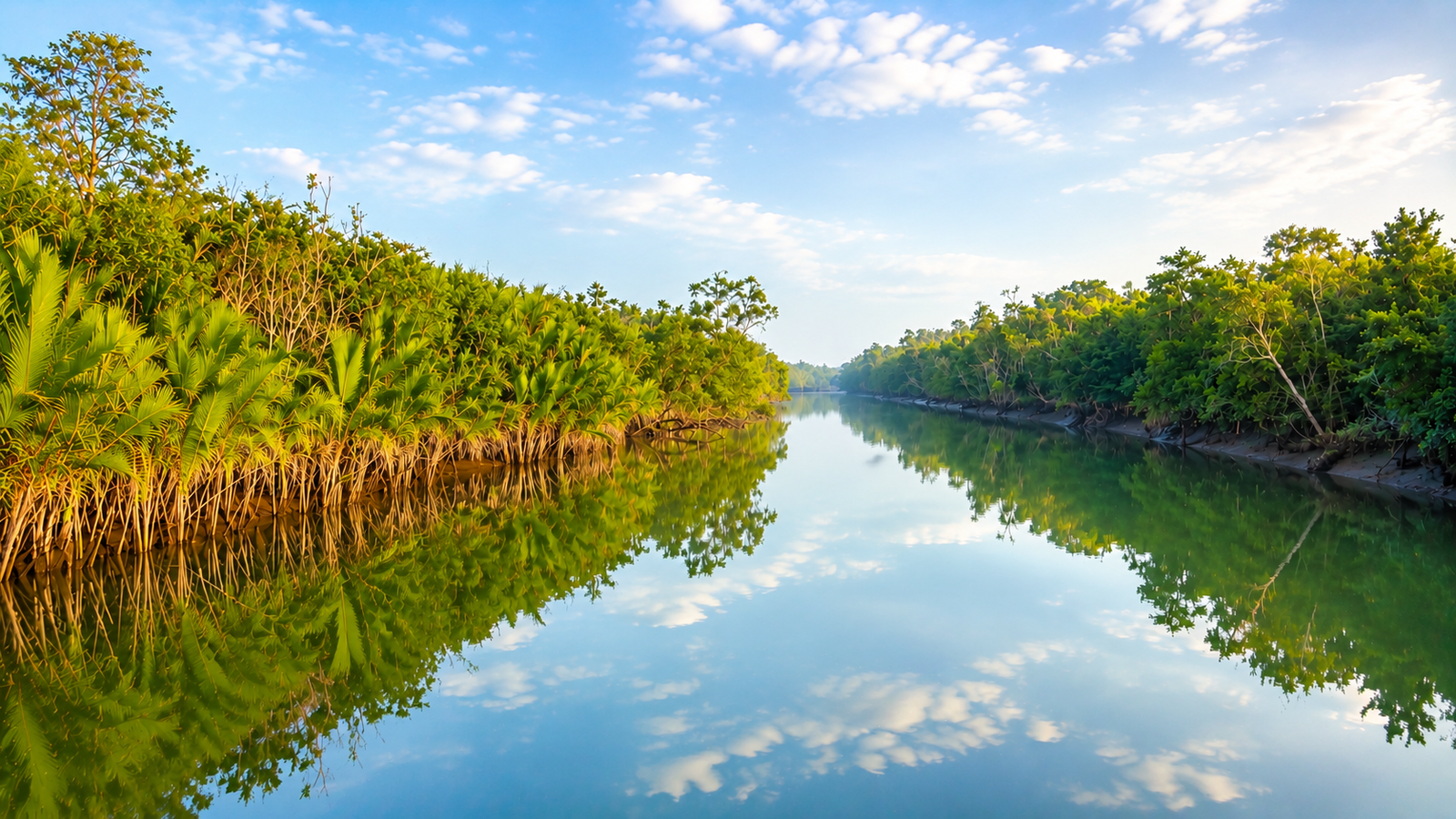
The Sundarbans, the world's largest mangrove forest, is the country's most famous adventure. Safety here is about respecting the environment: always travel with an experienced guide and a proper boat, never swim in the rivers (crocodiles and saltwater sharks are real inhabitants here), and follow your guide's instructions during shore walks. The Royal Bengal tiger is present—the forest is one of the world's last wild tiger habitats—but tiger encounters are extraordinarily rare, and the whole point of having a skilled guide is that they know how to avoid them entirely.
Along the coast at Cox's Bazar—the world's longest natural sea beach—the sea itself deserves respect. The Bay of Bengal has strong currents, and even experienced swimmers should stay near lifeguarded areas and heed local warnings about rip currents. On Saint Martin's Island, the snorkeling and swimming are delightful, but again, check conditions before you get in the water.
The Hill Tracts: A Special Permission Zone
The Chittagong Hill Tracts—the green, mountainous southeast around Bandarban and Rangamati—are one of Bangladesh's most beautiful regions. It is also, uniquely, a region where foreign visitors must register. Because of long-running sensitivities in the area, the government requires permits for most foreign nationals, and the rules change periodically.
The practical takeaway: do not attempt the Hill Tracts as a DIY trip without checking current requirements. A good tour operator handles the permits for you and knows exactly which areas are open to visitors at any given time. Once you're in, the region is peaceful, the indigenous communities are welcoming, and the main safety considerations are physical: steep trails, quickly changing weather, and occasional leeches on jungle walks. Pack proper footwear, tell someone where you're hiking, and use local guides.
Srimangal and Sylhet: The Gentlest Corner of Bangladesh
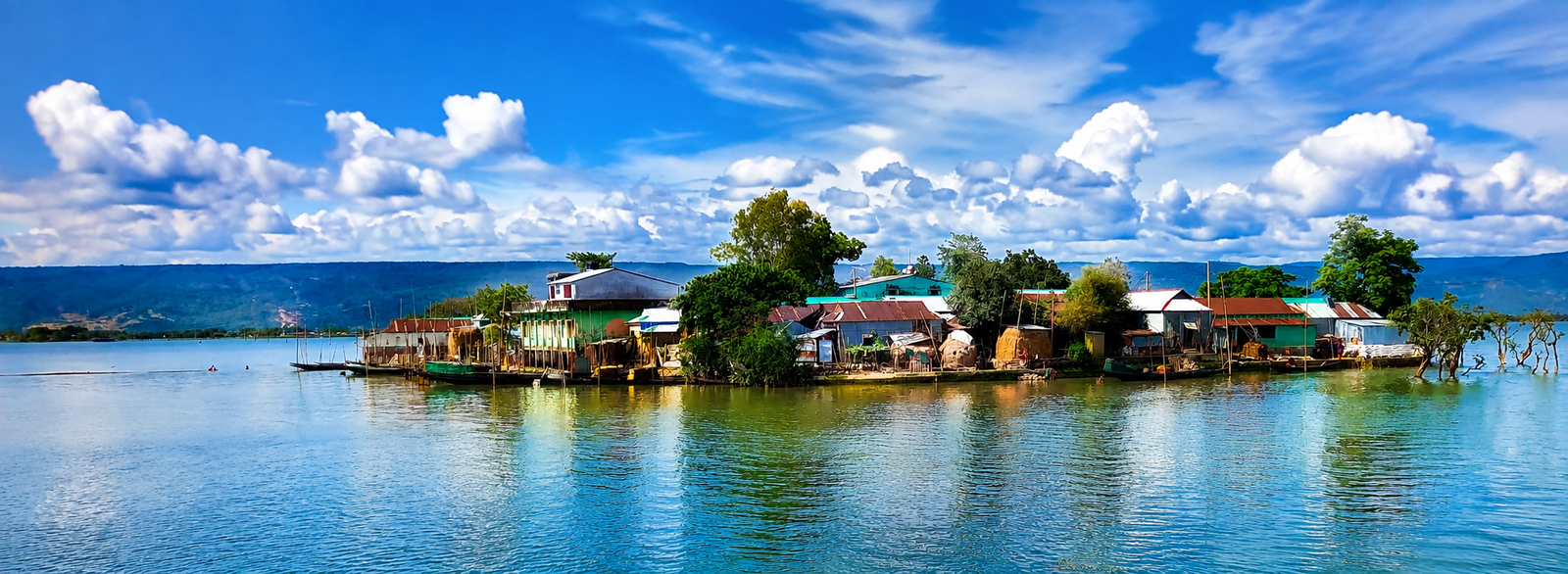
The tea gardens and rainforests of the northeast are about as low-risk as Bangladesh gets. Lawachara National Park has well-marked trails, and the only hazards are uneven paths and the occasional curious monkey. You visit the famous Ratargul swamp forest by boat, which is both safe and magical.
The main caution in this region is transport-related: Sylhet's winding hill roads are scenic but can be busy with trucks and buses. If you're not used to South Asian driving, let a professional driver handle it—this isn't the place to test your international driving license.
Your Key Safety Steps at a Glance
1. Book airport transfers and intercity transport with a trusted operator—most tourist accidents involve unofficial, poorly maintained transport.
2. Carry a copy of your passport and visa, and keep the originals locked in your hotel safe.
3. Use the buddy system when exploring cities, especially after dark.
4. Drink only bottled or filtered water, and eat at busy restaurants with high turnover.
5. Keep your valuables modest—this is a country where flashing wealth invites attention.
6. Register with your embassy on arrival (most offer a free online service) so they can reach you in an emergency.
7. Save emergency numbers in your phone: police, ambulance, and your hotel's front desk.
Best Time, Costs, and Logistics: Planning a Safe and Smooth Trip
Most of the "Is Bangladesh safe?" anxiety dissolves once you understand the practicalities—because most of the challenges are logistical, not dangerous. Here's what to know.
Best Time to Visit (and When to Be More Careful)
The golden window is October to March. The weather is cool, dry, and sunny—ideal for everything from the Sundarbans to the Hill Tracts. December and January are the most comfortable months for the south and the hills, and this is also the season when the great wetland haors of Sylhet fill with migratory birds.
April to June brings punishing heat and humidity, and June to September is the monsoon season. The monsoon is not inherently dangerous for a well-planned trip — the country floods annually as part of its natural cycle — but heavy rain can disrupt transport, swell rivers, and close some roads. If you travel during monsoon, build flexibility into your itinerary and expect occasional delays. Your operator will know which routes remain reliable. In all seasons, the one practical habit that improves both safety and comfort is checking the weather forecast daily and adjusting plans accordingly.
Getting Around Safely
Transport is where Bangladesh's reputation and reality meet, so it deserves real attention.
1. Domestic flights connect Dhaka with Cox's Bazar, Sylhet, Jessore, and other hubs. They are the fastest and lowest-stress way to cover long distances—worth the modest extra cost.
2. Trains are scenic, affordable, and generally safe. Book first or second class for comfort, and keep luggage close. The overnight routes are fine for experienced travelers, though the Rocket paddle steamer/passenger ferry is a far more memorable way to travel by rail-adjacent romance.
3. CNG auto-rickshaws tul-tul in Thailand are brilliant for short city hops. Agree on the fare before you get in—most drivers are honest, but a fixed price at the start avoids awkwardness later.
4. Rickshaws are charming, slow, and fine for short distances. They cannot legally cross the main bridges in Dhaka, so use them for neighborhood journeys.
5. Private cars with drivers—the safest and most comfortable option, and the one Bangladesh Scenic Tours arranges for you. A professional local driver who knows the roads, the traffic patterns, and the language is worth their weight in gold, especially in Dhaka's famously heavy traffic.
The single most important safety tip in this entire guide: do not attempt to drive yourself in Bangladesh. Traffic here follows a logic that is genuinely hard for foreign drivers to read—a constant, flowing negotiation of lanes, horns, and near-misses that makes perfect sense to locals but is treacherous for visitors. Hiring a driver or using a tour operator's transport is not a luxury; it is the standard safety recommendation.
Costs: What to Budget
Bangladesh is one of the most affordable travel destinations in Asia, and your money goes a very long way. A comfortable mid-range traveler will find hotels, meals, guides, and transport all costing a fraction of what they would in Europe or North America.
Practical safety tips on money: ATMs are widely available in Dhaka and other major cities but carry enough cash for rural areas where cards aren't accepted. Use hotel safes for passports and excess cash, carry only a modest daily amount, and exchange money at banks or licensed exchange counters rather than street changers. Tipping is appreciated but modest—small amounts are genuinely meaningful here.
Visas and Documentation
Most Western passport holders can obtain a visa on arrival at Dhaka's Hazrat Shahjalal International Airport or arrange an e-visa in advance. Requirements change periodically, so always verify current rules with your nearest Bangladeshi embassy or consulate before you book or contact us for the current situation. Carry your visa approval and a copy of your passport separately from your passport itself—if you ever lose the original, the copy makes replacement far easier.
Travel insurance is non-negotiable. Make sure your policy covers medical treatment, evacuation, and trip disruption, and confirm it specifically covers the activities you plan—treks, boat journeys, and wildlife excursions all warrant explicit confirmation.
Health Essentials
The medical side of "is Bangladesh safe for tourists?" is mostly about preparation, and it's well within your control.
1. Vaccinations: Consult a travel-health clinic 4–6 weeks before departure. Hepatitis A and typhoid are standard recommendations; consider others based on your itinerary and health status.
2. Malaria: The risk is low in Dhaka and the main tourist cities but present in some rural areas, especially the Hill Tracts and parts of the Sundarbans. Your clinic will advise whether prophylaxis is right for your route.
3. Water and food: Drink only bottled or purified water, including for brushing teeth. Avoid ice from unknown sources and raw salads in dubious establishments. Eating at busy restaurants with high turnover is the best guarantee of freshness—and Bangladesh's street food is so delicious that "the safest place to eat is where the queue is longest" is a genuinely happy rule here.
4. Basic first aid: Bring your own supply of rehydration salts, antidiarrheal medicine, and any personal prescriptions. Pharmacies are widespread, but finding specific Western brands can be hit or miss.
5. Mosquitoes: Use repellent, especially at dusk. Dengue fever exists in Bangladesh, and simple precautions—long sleeves, repellent, screened rooms—dramatically reduce risk.
The bottom line: with routine preparation, health risks in Bangladesh are comparable to those in any tropical destination and far less of a concern than most first-time visitors imagine.
Local Etiquette, Practical Tips, and FAQs
Etiquette: The Key to a Warm Welcome
Bangladeshis are famously the most welcoming and hospitable people you'll meet anywhere—and the best "safety" tool you have is simply being a respectful guest. The culture rewards courtesy enormously, and a little effort goes a long way.
1. Dress modestly. In Dhaka and most of the country, both men and women should cover shoulders and knees. Women traveling in rural areas will find it both respectful and comfortable to dress conservatively—loose clothing also suits the climate.
2. Remove your shoes before entering mosques and in many homes. If a mosque requires it, women may be asked to cover their heads—a scarf in your bag solves this instantly.
3. Use your right hand to eat, give, and receive. The left hand is considered unclean, and this small courtesy is noticed and appreciated.
4. Greet with "Assalamu alaikum" (peace be upon you in local APNI KEMON ACEN) and a warm smile. For many Bangladeshis, this simple greeting opens doors that remain closed to a rushed "hello."
5. Expect (and embrace) curiosity. As a foreign visitor, you will be photographed and approached. It is friendly, not threatening. A smile, a wave, or a quick chat costs nothing and leaves you both happier.
6. Ask before photographing people. Most will happily agree, and many will pose with delight—but asking first is respectful and, in practice, usually rewarded with an even warmer response.
7. Respect religious spaces and practices. During Ramadan, avoid eating, drinking, or smoking in public during daylight hours. On Fridays, expect a quieter rhythm around midday prayers.
8. Tipping and bargaining: Bargaining is expected in markets and with independent drivers—do it with humor and goodwill, not aggression. Tipping guides, drivers, and hotel staff 5–10% is appreciated.
Practical Safety Tips for the Savvy Traveler
1. Register with your embassy on arrival—free, fast, and reassuring.
2. Share your itinerary with family or friends at home, and check in regularly; rural connectivity is decent but not universal.
3. Photocopy your documents and store scans in the cloud.
4. Use hotel business cards to show taxi drivers your destination—invaluable when language fails.
5. Keep a power bank charged—a phone with a battery is your best navigation and communication tool.
6. Be discreet with valuables and avoid obvious displays of wealth in crowded areas.
7. Trust your instincts. If a situation feels off, it usually is—remove yourself gracefully. This rule applies everywhere on Earth, and Bangladesh is no exception.
Frequently Asked Questions
Is Bangladesh safe for tourists in 2026/2027?
Yes. Bangladesh is safe for tourists, with rare violent crime against foreign visitors and a genuinely protective attitude toward them from locals. The realistic risks are everyday ones—traffic, street food, and the normal cautions of any developing country—all of which are easily managed with sensible planning.
Is Bangladesh safe for solo female travelers?
Mostly yes, with the standard precautions. Only female travelers report overwhelmingly positive experiences, but they should dress modestly, avoid isolated areas after dark, use pre-arranged transport in cities, and expect—and politely handle—curiosity that can occasionally be overly attentive. Booking with a reputable operator that provides trusted drivers and guides adds a significant layer of comfort.
Is Bangladesh safe for families with children?
Yes. Families are treated with enormous warmth, children are adored here, and the country offers brilliant family experiences from Cox's Bazar beaches to boat trips in the Sundarbans. Practical planning—good transport, reliable hotels, and careful food and water choices—makes it smooth.
What are the main risks for tourists in Bangladesh?
Traffic (the biggest genuine hazard), food-and-water-related stomach upsets, and the usual petty-theft cautions of crowded cities. Wildlife-related risks are confined to specific places like the Sundarbans and are fully managed with guides.
Do I need a guide, or can I travel independently?
You can travel independently, and many do. But for first-time visitors—especially those covering the Sundarbans, the Hill Tracts (which require permits), or the full country circuit—a private tour with a local operator is strongly recommended. It handles permits, transport, language, and navigation, and it's what most first-timers who want to relax and soak it in choose.
What should I do in an emergency?
Contact your hotel front desk first—they are excellent at navigating local systems. The national emergency numbers are 999 for police, ambulance, and fire. Your embassy is your second call, and your operator's emergency line (which Bangladesh Scenic Tours provides 24/7) is your first if you're on a tour.
Is the tap water safe?
No—drink bottled or purified water only, including for brushing teeth. Bottled water is cheap and everywhere.
Can I use my credit card?
In Dhaka and major cities, yes, at hotels, larger restaurants, and shopping centers. For rural areas and markets, carry cash.
Is it safe to eat street food?
Generally yes, if you choose wisely: eat where the queue is longest, where food is cooked fresh and hot in front of you, and where turnover is high. This is the rule that keeps street-food lovers healthy in every country in Asia, and Bangladesh's street food is a highlight no visitor should miss.
The Honest Verdict
So—is Bangladesh safe for tourists? Yes, genuinely, emphatically yes—provided you travel smart. The country's reputation is far worse than reality, and the gap between what Western travelers expect and what they actually experience is one of the great surprises of traveling here.
Violent crime is rare. The people are protectively warm and hospitable. The dangers are the mundane ones of any developing country—traffic, water, and crowded-city awareness—and everyone is manageable with the planning outlined above.
The reward is a destination almost nobody else has discovered: the world's longest natural beach, the world's largest mangrove forest with its wild tigers, 8th-century monasteries, rivers that are entire civilizations, and a welcome so genuine it will stay with you long after you fly home.
Come with your common sense, an open heart, and a good plan. Bangladesh has been waiting for you—and it will take excellent care of you when you arrive.
Plan your safe, unforgettable journey with Bangladesh Scenic Tours—private, professionally guided itineraries with trusted drivers, handled permits, 24/7 support, and every detail taken care of, from tiger safaris to tea-country treks. Contact our team today to start planning.